When VR Meets History: Using virtual reality to see through the eyes of history
A Virtual Reality collaboration between a Chicago professor and the Chicago History Museum wins the 2018 American Alliance of Museums’ Silver MUSE award for Mobile Applications.
PHOENIX, Arizona - May 6, 2018 -
At their annual meeting and MuseumExpo, the American Alliance of Museums award the Silver MUSE to Chicago00 St. Valentine's Day Massacre VR, a groundbreaking virtual reality experience of historical photographs. The MUSE is awarded “in recognition of the highest standards of excellence in the use of media & technology,” and most years goes to the largest museum technology projects in the country. This year it is won by a start-up: The Chicago 00 Project, a venture by Geoffrey Alan Rhodes, a professor of new media design at the School of the Art Institute of Chicago, and the Chicago History Museum, to immerse audiences in new media experiences of history.
The App
On St. Valentine’s Day 1929, Chicago police discovered in a northside garage the bodies of 7 men, shot in the back and riddled with bullets. The site and the men were associated with the prohibition-era bootlegging gangs, then led by Al Capone and Bugs Moran. The gruesome photographs of the scene ran front-page in newspapers across the country and were some of the most influential crime photos in American history. The resulting outrage turned public opinion against Chicago gangs.
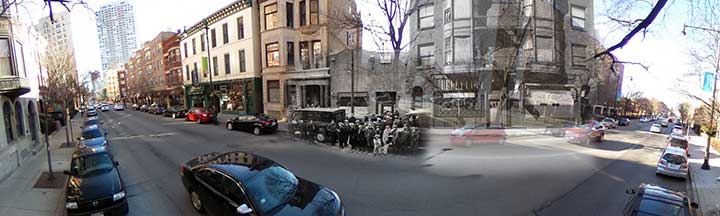
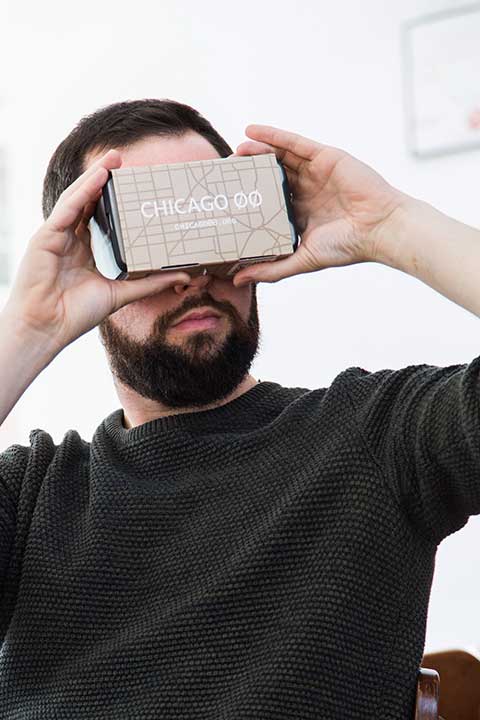
The Chicago00 St Valentine’s Day Massacre VR app, released February 2017, transports audiences to the exact spots where those photos were taken, and superimposes then and now in virtual reality. The present site is overlaid with matching 1929 crime scene photos in 360 degrees. Audiences can use their smartphones or wear Google Cardboard VR Goggles to be immersed in the site. A narrator tells the story of the massacre while giving a virtual tour of 5 sites and over 30 historical photos and documents.
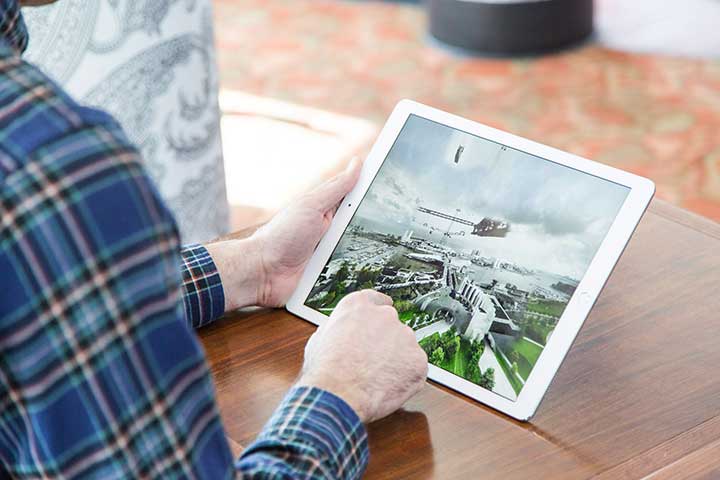
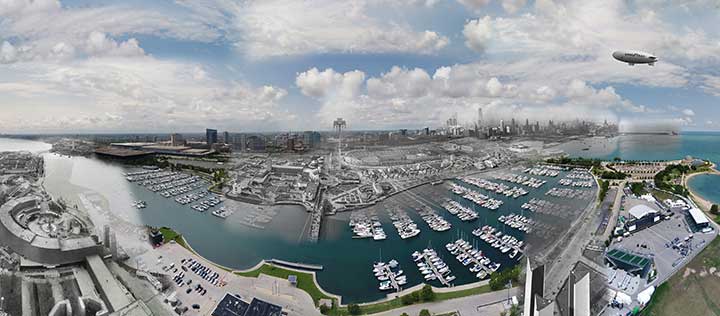
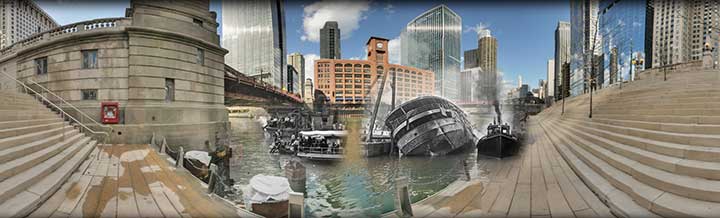
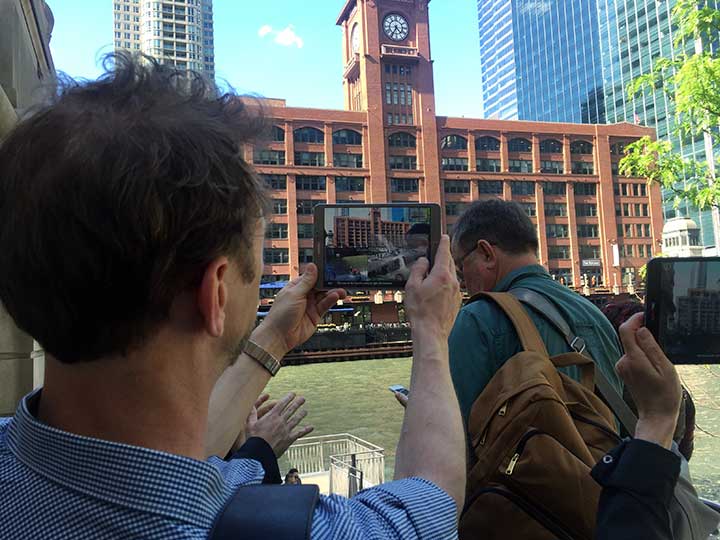
This app is one of three releases by the Chicago 00 Project. The first in the series, Chicago00 The Eastland Disaster, uses the same technology as Pokémon GO to give an augmented reality tour along the Chicago River. At the downtown site where the passenger steamship Eastland capsized in 1915, visitors can use their smartphones to see photos and newsreels captured that day superimposed on the exact site where it occurred. The project’s newest creation was released this January; Chicago00 A Century of Progress is a virtual reality tour of the 1933 A Century of Progress World’s Fair in Chicago— a massive fair site, highly photographed, that is now almost completely gone. For the VR experience, they hired local drone photographers to chart the path of the fair’s Skyride, a 219 foot high ride across the entire fairgrounds, and matched it with historical photos. All three apps are free and available for download in the Android and iPhone marketplaces, or from the project website: www.Chicago00.org
Project Creators
The Chicago 00 Project began as a conversation between Geoffrey Alan Rhodes, a filmmaker and an Associate Professor of Visual Communication Design at the School of the Art Institute of Chicago, and John Russick, Vice President for Interpretation and Education at the Chicago History Museum, about the possibilities in new media for telling historical stories. The talk turned to experiments and collaborations that gathered notice and funding from the Princess Grace Foundation and the National Endowment for the Arts to publish a series of experiences for the community.
“People always associate VR technology with the future,” says Rhodes, “but we are using it to travel back through time. Like a 4-dimensional Google Street View, where you can see back in time— long before digital cameras and smartphones, into a time when only certain important moments and places on the earth were captured in film.”
“We’re connecting today’s screens with historical cameras— the mobile device of the last century,” continues Rhodes. “It makes you aware of the photographers throughout history who stood at certain places and times, pointed their lenses, and captured moments.”
“There’s something extraordinary about putting an image in a different context like this— you see something new. … And it opens up some great opportunities for storytelling,” says Russick.
The Chicago History Museum
Founded in 1856, the Chicago History Museum is the oldest cultural institution in Chicago, with over 22 million artifacts. The Museum continues to share the stories of the city and its people through exhibitions, programs, publications, and a website. Our ability to illuminate the past is a reminder of what really happened once upon a time, sheds light on the present, and compellingly informs the future.
The Award
Since 1906 the American Alliance of Museums has been a leader in developing best practices and advocating for museums. The annual MUSE awards celebrate scholarship, community, innovation, creativity, education and inclusiveness achieved through media technologies. MUSE award projects are chosen by an international group of technology professionals from galleries, museums, libraries and archives. The AAM created a Mobile Applications category in 2011. Other awardees in the category this year include the SFMOMA, The Carnegie Institute, and the Smithsonian.
Learn more at www.Chicago00.org
Contact
Alan Rhodes, garhodes@garhodes.com, 312-285-9474
John Russick, russick@chicagohistory.org, 773-960-1872
Stills
(all photos “courtesy of the Chicago 00 Project”)
A then and now still from Chicago00 St. Valentine’s Day Massacre VR showing the back alley where the Coroner’s office removed the bodies in 1929.
[highres: http://chicago00.org/press_stills/Detail_Coroner.jpg ]
A then and now still from Chicago00 St. Valentine’s Day Massacre VR showing the bodies as they were found by news photographers.
[highres: http://chicago00.org/press_stills/Detail_Bodies.jpg ]
A detail of a panoramic view from Chicago00 St. Valentine’s Day Massacre VR showing the site at 2122 N Clark St. in Chicago.
[highres: http://chicago00.org/press_stills/Panorama1.jpg ]
Chicago 00 in use with Google Cardboard VR googles.
[highres: http://chicago00.org/press_stills/Ch00_InUse2.jpg ]
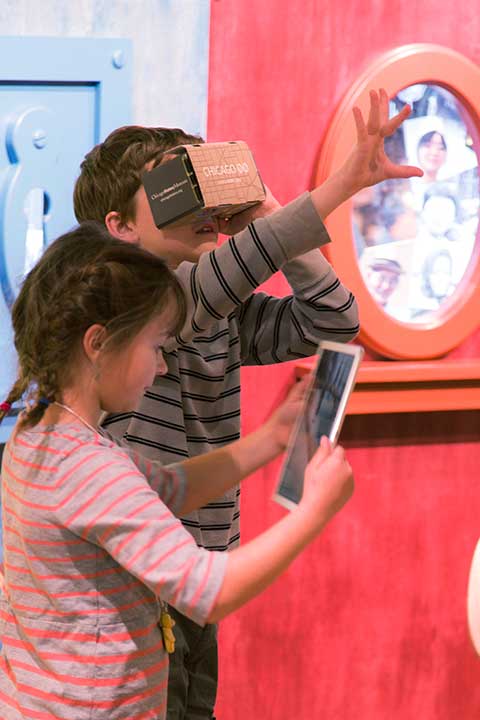
Chicago 00 in use by children at the Chicago History Museum.
[highres: http://chicago00.org/press_stills/Ch00_InUse3.jpg ]
Chicago00 A Century of Progress iPad app in use showing one of the aerial drone photography VR images of the 1933 World’s Fair Skyride.
[highres: http://chicago00.org/press_stills/CentProgress_panorama.jpg ]
A detail of a VR panorama from Chicago00 A Century of Progress with 1933 historical photos taken from the eastern Skyride tower, 219 feet above the ground looking back at the city.
[highres: http://chicago00.org/press_stills/CentProgress_panorama.jpg ]
A detail of a VR panorama from Chicago00 The Eastland Disaster showing the steamship SS Eastland where it capsized in the Chicago River in 1915.
[highres: http://chicago00.org/press_stills/Eastland_panorama.jpg ]
The Chicago00 The Eastland Disaster augmented reality app in use at the site on the Chicago River.
[highres: http://chicago00.org/press_stills/EastlandDisaster_inUse.jpg ]